



Prostate biopsy
Multiparametric Prostate Biopsy – a study that allows for highly accurate diagnosis of prostate cancer.
Indications:
- With an elevated prostate-specific antigen (PSA) level
- With an elevated prostate health index (PHI)
- With the appearance of suspicious areas in the prostate parenchyma according to MRI data
What is a prostate biopsy?
A biopsy involves taking tissue samples for histological examination. It is performed using a medical automatic gun – under ultrasound control with the use of local anesthesia. Multiparametric prostate biopsy is recognized as the «gold standard» in the diagnosis of prostate cancer in global oncology practice. The histological examination of the material taken for analysis allows for the determination of the cellular composition of the tumor and is the most informative method for detecting malignant processes in the prostate.

How is a prostate biopsy performed?
Multiparametric prostate biopsy is performed using a high-speed automatic gun for tissue sampling – usually from 12 different areas of the gland (if necessary – from 16-18). Disposable biopsy needles are used to obtain the biological material. The high diagnostic accuracy of the study is ensured by targeted sampling of biopsies from previously identified suspicious areas based on ultrasound or MRI data.
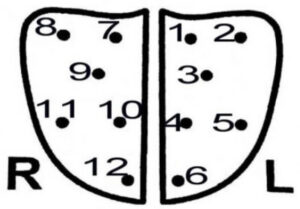
The procedure takes a few minutes. Histological examination of the material obtained during the biopsy is conducted within 3-5 days.
Thanks to the biopsy, specialists can determine the stage of the disease based on the data obtained regarding the extent of the neoplasm, its growth characteristics, and degree of differentiation. This allows for the development of the most effective treatment plan.
Timely diagnostic procedures help to detect malignant processes at an early stage and determine the optimal surgical treatment strategy. When prostate cancer is detected at an early stage, 80% of patients can be cured.