Laparoscopy
A modern minimally invasive diagnostic and therapeutic technique that allows surgical intervention using specialized instruments inserted through small incisions (up to 1 cm) in the anterior abdominal wall.




A modern minimally invasive diagnostic and therapeutic technique that allows surgical intervention using specialized instruments inserted through small incisions (up to 1 cm) in the anterior abdominal wall.
Endoscopic procedures in urology involve performing therapeutic manipulations using endoscopic instruments introduced into the lumen of the urinary tract — the urethra, bladder, or ureter. These procedures do not require external skin incisions.
Minimal tissue trauma compared to open surgery. Incisions up to 1 cm reduce postoperative pain. Shorter recovery period. Smaller scars and improved cosmetic results. Faster regeneration of damaged tissues due to minimal operative trauma.
Minimal tissue trauma due to the absence of external incisions. High-resolution visualization allows the surgeon to perform procedures with maximum accuracy. Reduced risk of complications. Shorter rehabilitation period. Significant increase in patient comfort and safety.
Early mobilization. The patient can begin to stand and walk on the same day as the procedure (usually closer to the evening). Reduced blood loss. Absence of noticeable scars or postoperative marks. High surgical precision. All intraoperative processes are displayed on a monitor, allowing the surgeon to clearly visualize the operative field and perform each step with maximum accuracy.
Minimal tissue trauma due to the absence of external incisions. High-resolution visualization allows the surgeon to perform procedures with maximum accuracy. Reduced risk of complications. Shorter rehabilitation period. Significant increase in patient comfort and safety.
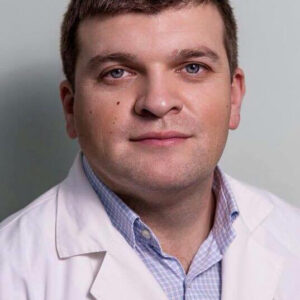
Ruslan Valeriiovych Savchuk, MD, PhD — Professor of the Department of General, Pediatric and Military Surgery with a Course in Urology at Odesa National Medical University (ONMedU),
Head of the Department of Urology and Transplantology at Municipal Clinical Hospital No.10, Chief Freelance Urology Specialist of the Department of Health of the Odesa City Council, Urologist-Oncologist.
Member of:
 The insidious nature of urogenital diseases lies in their long latent, asymptomatic period:
The longer a patient delays visiting a urologist, the higher the risk of developing irreversible complications:
Do not wait until the situation becomes critical. Take the first step toward recovery — for yourself or someone close to you — right now: call, send an email, or schedule an appointment.
You will be consulted by an experienced urologist in the nearest available time. Odesa is known for its highly qualified medical specialists — experience the doctor’s competence firsthand.
Effective treatment of urological diseases does not require excessive financial expenses. Quite simply: Dr. Ruslan Savchuk does not prescribe unnecessary tests or diagnostics, does not include medications from “partner programs,” and selects only truly effective medications, methods, and procedures.
Treatment begins with the very first consultation. Medical supervision continues until the patient has fully recovered.
What Our Patients Receive:

The patient’s condition often allows treatment to be carried out on an outpatient basis — you receive therapy while continuing your normal daily activities. If surgical intervention is required, we will arrange comfortable conditions for both the patient and their family members.
Laparoscopic and endoscopic procedures are performed by Dr. Ruslan Savchuk, MD, PhD, Associate Professor, together with his experienced surgical team.
Minimally invasive techniques ensure a short rehabilitation period. Many procedures can be performed in a convenient “weekend treatment” format.
If you are visiting this website, it means that you or someone close to you needs a truly experienced and competent physician.
Note this information: Dr. Ruslan Valeriiovych Savchuk — Urologist Odesa, Vadaturskyi Street, 61A